


-

Add: HeBei ShengShi HongBang Cellulose Technology CO.,LTD.
-

Email
13180486930@163.com -

CONTACT US
+86 13180486930




High Performance Computing (HPC) and Hydroxypropyl Methylcellulose (HPMC) might seem like disparate terms, but they represent pivotal influences in their respective domains—technology and material science. As the digital era sweeps across industries, understanding the roles these elements play in shaping technological advancements becomes indispensable. HPC is a cornerstone in computational processes, enabling large-scale simulations, complex calculations, and efficient data processing. Its significance is particularly pronounced in areas like climate modeling, physics simulations, and drug discovery where traditional computing methodologies fall short. HPC systems enhance computational capabilities by linking computer clusters to function as a single entity, thereby optimizing processing power and speed. Businesses and institutions harness this capacity to solve problems that were previously insurmountable, significantly reducing the time required for research and development. Conversely, HPMC stands as a key player in the pharmaceutical and construction industries. As a semi-synthetic polymer, it exhibits excellent properties that make it an indispensable additive. In pharmaceuticals, HPMC serves as a controlled-release agent, ensuring the active ingredient in a drug is distributed at an appropriate pace in the body, enhancing the drug's effectiveness and patient safety. In construction, HPMC is valued for its water retention and cement dispersion properties, crucial for improving the workability of cement and plaster, leading to prolonged setting times and enhanced durability of structures. Bridging HPC and HPMC is their shared goal of fostering innovation and efficiency. Companies integrating HPC into their processes can speedily analyze vast data sets to identify patterns and make informed decisions, perhaps even in the tailoring of drug formulations utilizing HPMC. Such synergy allows for an unprecedented level of product refinement and predictive modeling, elevating the standards of quality and safety. Furthermore, the intersection of HPC and HPMC is visible in material science, where simulations powered by HPC can predict how HPMC and other polymers interact at a molecular level. Such insights are crucial for the development of new materials with customized properties, thereby expanding the potential applications of HPMC in various industries. hpc hpmc In practical applications , HPC has dramatically altered how industries approach data. For example, in genomics, HPC provides the computational capacity to conduct comprehensive genome analyses, a task unmanageable without such technology. These analyses can propel forward research in genetic disorders, fostering early detection and personalized medicine. Similarly, in the realm of energy, HPC aids in optimizing the exploration and production of energy resources, enhancing both efficiency and sustainability. On the HPMC front, its versatility extends into the food industry, where it acts as a stabilizer, thickener, and emulsifier. The non-toxic and non-allergenic nature of HPMC makes it an attractive option in developing food products that meet stringent safety standards while retaining taste and texture. In the realm of personal care products, it is used to enhance the consistency and shelf life of goods such as lotions and creams. Given this context, businesses looking to leverage these innovations need to astutely integrate HPC into their strategic planning and utilize HPMC in product development to stay competitive. Organizations should invest in training and development of their workforce to gain expertise in these technologies, ensuring they remain at the forefront of their industries. Trust in these technologies comes from demonstrated success and scientific validation. For companies involved with HPC, regularly publishing peer-reviewed research and case studies can help bolster trustworthiness and transparency in their methodologies. Simultaneously, firms utilizing HPMC in products must comply with regulatory standards and publish their compliance and safety certifications to establish credibility and consumer trust. In conclusion, HPC and HPMC exemplify the potential inherent in technological and scientific advancement. While they operate in distinct spheres, their intersection presents endless opportunities for innovation and enhancement of products and services. By harnessing their capabilities, industries can not only improve their processes and offerings but also foster an environment where continuous improvement and cutting-edge solutions are the norms.
- 40000tons

Production
- 20+years

Experience
- 5000+㎡

Acreage

-
HPMC Connect is rapidly emerging as a pivotal element in the pharmaceutical and construction industries. As a product, HPMC (Hydroxypropyl Methylcellulose) Connect has garnered attention for its exceptional properties and versatile applications, making it an indispensable resource for manufacturers and builders alike. Users of HPMC Connect benefit from its unparalleled viscosity-modification capabilities. In the pharmaceutical sector, this translates to enhanced control over drug release profiles, ensuring that medication delivers its therapeutic effects at a consistent rate. Pharmaceutical experts have found that HPMC Connect improves the stability and solubility of active pharmaceutical ingredients (APIs), which is crucial in the development of controlled-release formulations. This expertise is backed by numerous studies that highlight its efficacy in overcoming the challenges associated with poorly water-soluble drugs, thereby improving bioavailability and patient compliance. In construction , HPMC Connect serves as a crucial additive in cement and grout mixtures. It dramatically improves workability and adherence, ensuring efficient application and lasting durability of construction materials. This property is particularly valued in high-performance building projects, where material reliability is non-negotiable. Builders cite HPMC Connect's role in optimizing water retention in cementitious mixes, reducing shrinkage and cracking, and enhancing the end product's surface finish. These benefits are critical not only from a structural standpoint but also in meeting stringent building standards and regulations. What sets HPMC Connect apart is its authoritative standing in safety and environmental compliance. It is recognized for being non-toxic and biodegradable, making it a preferred choice for contemporary eco-conscious industries. Regulatory bodies have acknowledged its safety in both ingestion and dermal contact, which adds an additional layer of trust for companies looking to incorporate it into their products without compromising consumer safety. The seamless integration of HPMC Connect into various manufacturing processes underscores its reliability and the high level of trust the industry places in it. Technical support teams equipped with extensive expertise about HPMC formulations provide guidance to companies maximizing its potential benefits. This accessibility to expert advice ensures that businesses can navigate the complexities of formulation adjustments while maintaining product integrity and efficacy. hpmc connect Moreover, HPMC Connect's adaptability extends to its functionality across different climatic conditions, which is a decisive factor for global enterprises operating in varied environments. It maintains its performance standards regardless of humidity or temperature fluctuations, offering uniform results worldwide. Manufacturers appreciate this consistency, as it simplifies logistics and quality control across international production facilities. In terms of real-world experience, numerous testimonials from industry leaders accentuate the transformative impact of integrating HPMC Connect into their operations. From pharmaceutical companies developing next-generation drug delivery systems to contractors achieving superior finishes on architectural projects, the product's contributions are indispensable. It has a proven track record of enhancing product performance, not just meeting but exceeding customer expectations. HPMC Connect continues to advance its relevance through ongoing research and development. Committed to innovation, the producers behind HPMC Connect are actively engaged in discovering new applications and improving existing formulations to meet ever-evolving industry demands. This proactive approach ensures that the product remains at the forefront of technological advancements, offering cutting-edge solutions. In conclusion, HPMC Connect stands as a testament to the synthesis of safety, efficiency, and adaptability in both pharmaceuticals and construction. Its esteemed position is reinforced by rigorous scientific validation and widespread industry endorsement. Companies seeking a product that delivers consistent results with authoritative backing can confidently choose HPMC Connect, knowing it upholds the highest standards of trustworthiness and expertise.
-
Methocel F4M, a popular brand of hydroxypropyl methylcellulose (HPMC), stands out as an essential ingredient for numerous industries due to its high performance and versatility. For professionals seeking a reliable thickening and binding agent, Methocel F4M offers exceptional properties that can enhance both the formulation and functionality of various products. One of the remarkable experiences shared by seasoned professionals using Methocel F4M is its outstanding ability to act as a rheology modifier in personal care products. When integrated into formulations such as lotions or creams, Methocel F4M imparts a smooth, stable, and spreadable texture that significantly enhances user experience. Its film-forming characteristics also ensure long-lasting moisture retention, which is a critical factor for enhancing product efficacy in skincare solutions. In the construction industry, Methocel F4M proves to be an invaluable component in cement-based products. Experts praise its superior water retention qualities that extend the workable life of cement mixtures, contributing to better setting times and improved adhesion. Builders and engineers frequently highlight its role in enhancing the robustness and durability of the final structures. This, coupled with its eco-friendly profile, positions Methocel F4M as a preferred choice for sustainable construction practices. methocel f4m From a pharmaceutical standpoint, Methocel F4M has gained authoritative recognition for its use in controlled release tablet formulations. Scientists and pharmacists acknowledge its critical role in developing sustained-release profiles that optimize drug delivery. By incorporating Methocel F4M, pharmaceutical developers can significantly improve patient compliance, ensuring that medications maintain their therapeutic efficacy over extended periods without compromising safety. Trust in Methocel F4M also stems from its reliable performance in food applications . Culinary experts and food technologists appreciate its ability to stabilize and thicken sauces, dressings, and dairy products without altering taste. Its compatibility with other ingredients allows for innovation and variation in crafting new recipes, meeting the demands of evolving consumer preferences. Furthermore, Methocel F4M, being a non-allergenic and gluten-free substance, aligns well with current consumer trends leaning towards natural and health-conscious eating options. In summation, the expertise and trustworthiness embodied in Methocel F4M through diverse industry applications underscore its status as a high-quality product. Whether enhancing the sensory appeal of personal care items, improving construction material performance, advancing pharmaceutical formulations, or innovating food products, Methocel F4M delivers consistent, reliable results. Professionals relying on Methocel F4M continuously report high satisfaction, reinforcing the product's reputation in their respective fields. With such a commendable track record, Methocel F4M stands as a testament to innovation and reliability in the realm of polymers and additives.
advantages
-

200000 Viscosities
Excellent product
We can produce pure products up to 200,000 viscosities
-

40000 tons
High yield
We don’t stop production all year round, and the annual output can reach 40,000 tons
-

24 hours
Quality service
We provide 24-hours online reception service, welcome to consult at any time
———— Inquiry Form
Schedule A services


-
 watengenezaji_wa_poda_ya_polima_inayoweza_kusambazwa_tena
Oct . 25, 2025
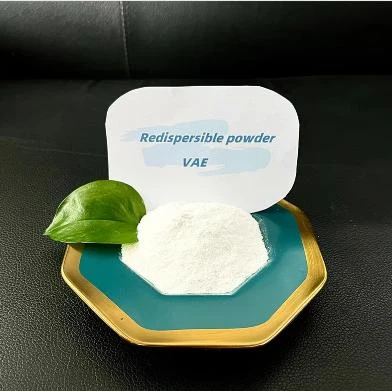
High-performance environment-friendly rubber powder has become a game-changer in modern industrial a -
 hpmc_melting_point
Oct . 25, 2025
Hydroxypropyl methylcellulose (HPMC) is gaining attention in the haircare industry for its multiface -
 ethyl_cellulose_powder
Oct . 25, 2025
In the ever-evolving landscape of industrial and pharmaceutical applications, understanding the dist


